
Bamboo Trimming in Honolulu, HI
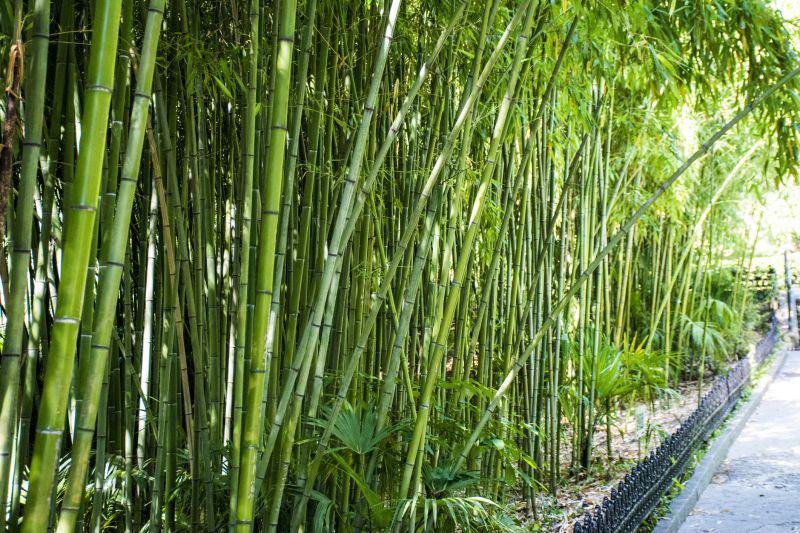
Bamboo trimming services involve carefully pruning and shaping bamboo plants to maintain their health, appearance, and safety on residential properties. This service covers a variety of projects, including reducing overgrown bamboo, removing dead or damaged stalks, controlling spread to prevent invasive growth, and enhancing the overall aesthetic of bamboo landscaping. Homeowners often request bamboo trimming to keep their gardens tidy, prevent bamboo from encroaching on nearby structures or neighboring properties, and promote healthy growth for lush, attractive bamboo displays.
Before requesting bamboo trimming, property owners typically want to understand the scope of the work, including which areas will be addressed and how the trimming will impact the plant’s growth. It’s also helpful to consider the size and density of the bamboo, as well as any specific goals for shaping or maintaining the plants. Proper trimming can help ensure the bamboo remains healthy and visually appealing, while also reducing potential hazards caused by overgrown or unruly stalks.
Many property owners in Honolulu, HI look into Bamboo Trimming for repairs, replacements, upgrades, and appearance-related improvements.
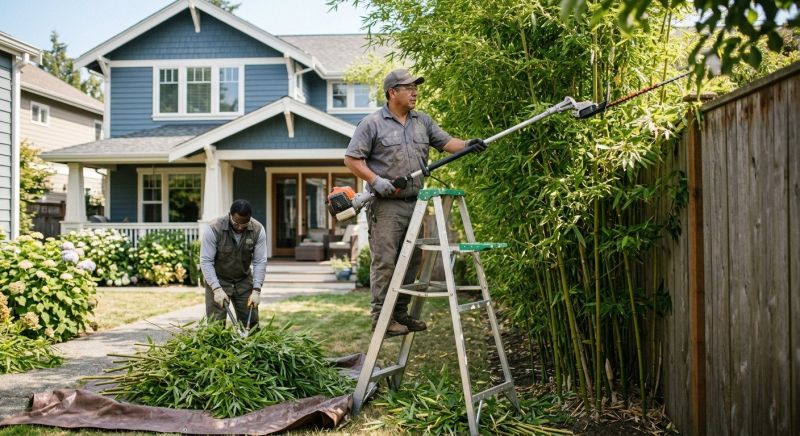
Bamboo Trimming Benefits
Proper trimming helps maintain bamboo health and enhances the appearance of your landscape.
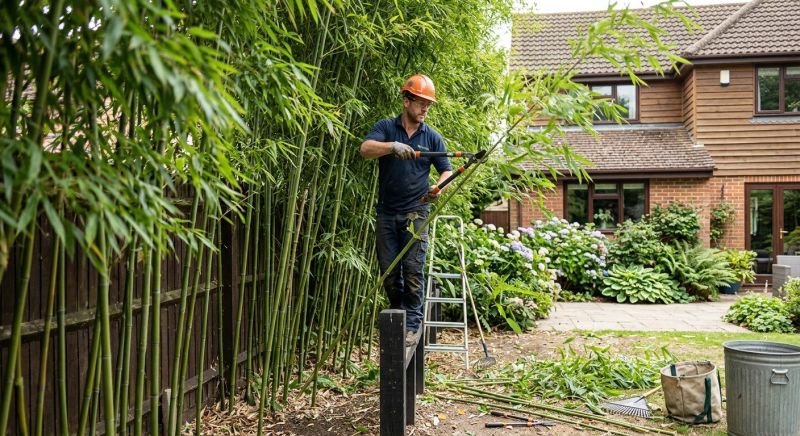
Common Bamboo Trimming Needs
Services often include removing dead or overgrown stalks and shaping bamboo for safety and aesthetics.
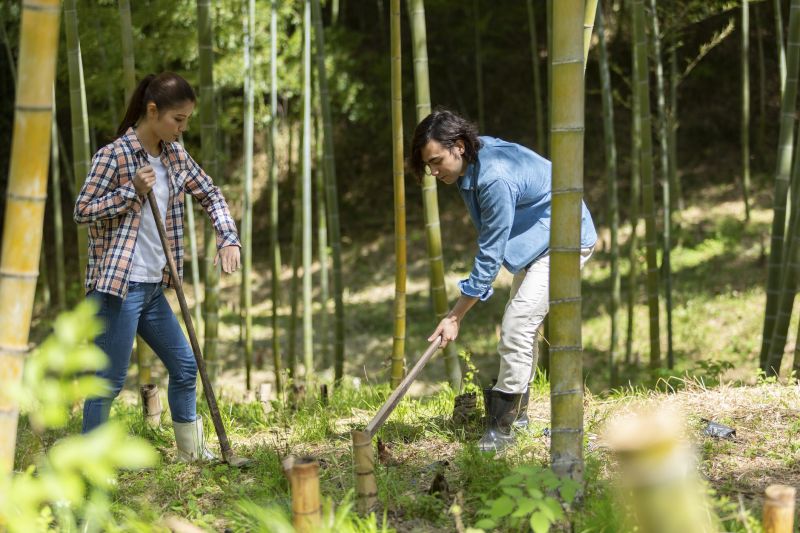
Why Regular Maintenance Matters
Routine bamboo trimming prevents overgrowth and keeps your property looking tidy in honolulu and nearby areas.
Bamboo Trimming in Honolulu, HI

Bamboo trimming services involve carefully pruning and shaping bamboo plants to maintain their health, appearance, and safety on residential properties. This service covers a variety of projects, including reducing overgrown bamboo, removing dead or damaged stalks, controlling spread to prevent invasive growth, and enhancing the overall aesthetic of bamboo landscaping. Homeowners often request bamboo trimming to keep their gardens tidy, prevent bamboo from encroaching on nearby structures or neighboring properties, and promote healthy growth for lush, attractive bamboo displays.
Before requesting bamboo trimming, property owners typically want to understand the scope of the work, including which areas will be addressed and how the trimming will impact the plant’s growth. It’s also helpful to consider the size and density of the bamboo, as well as any specific goals for shaping or maintaining the plants. Proper trimming can help ensure the bamboo remains healthy and visually appealing, while also reducing potential hazards caused by overgrown or unruly stalks.
Many property owners in Honolulu, HI look into Bamboo Trimming for repairs, replacements, upgrades, and appearance-related improvements.
Common Bamboo Trimming Jobs
Bamboo Trimming - shaping bamboo to maintain a neat and attractive appearance.
Bamboo Pruning - removing dead or overgrown stalks to promote healthy growth.
Bamboo Thinning - reducing density for better air circulation and light penetration.
Bamboo Shaping - contouring bamboo to fit the landscape design and property needs.
Bamboo Removal - safely cutting back or removing bamboo that encroaches on structures or other plants.
Bamboo Maintenance - routine trimming to prevent overgrowth and maintain overall health.
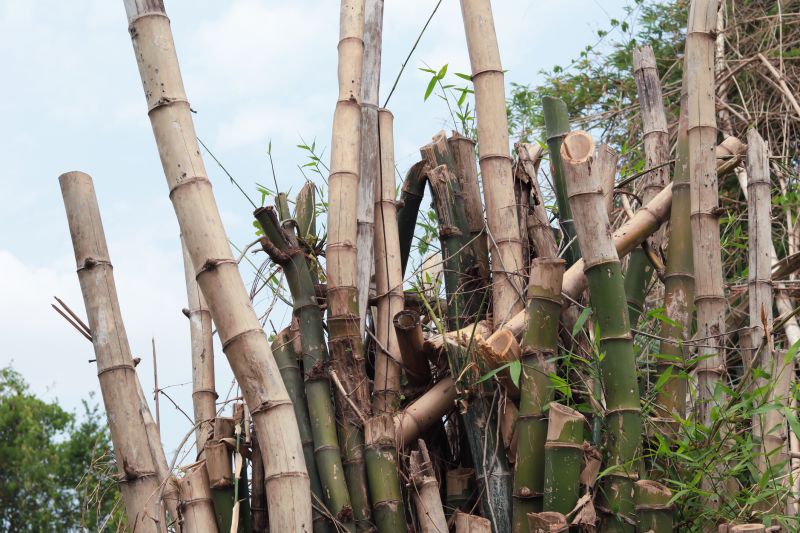
Bamboo Trimming Questions
What is bamboo trimming? Bamboo trimming involves removing dead or overgrown canes to promote healthy growth and maintain an attractive appearance.
Why should bamboo be trimmed regularly? Regular trimming helps control the size, prevents pests, and encourages dense, healthy growth.
When is the best time to trim bamboo? The best time to trim bamboo is during the late winter or early spring before new growth begins.
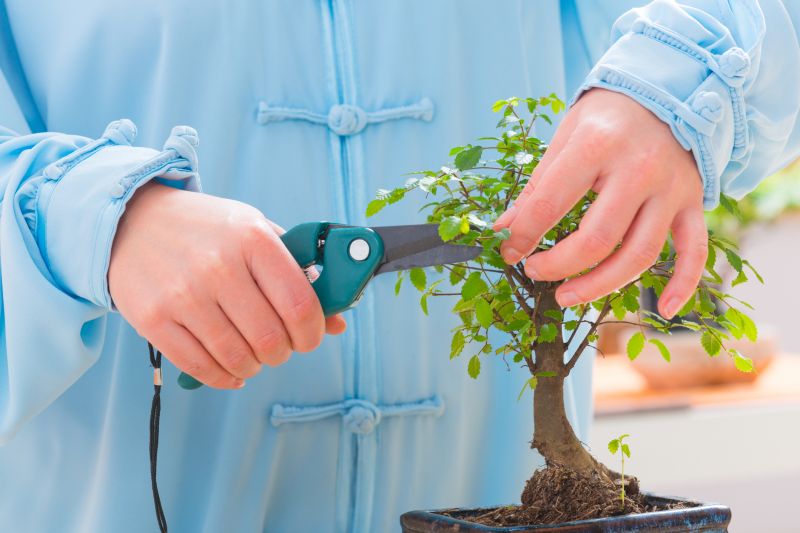
What tools are used for bamboo trimming? Sharp pruning shears or saws are typically used to carefully cut back bamboo canes without damaging the plant.
Request Bamboo Trimming in Honolulu, HI
Use the quote form on this page to share the basics of your project and request more information for the type of work you need.